Paying for emergency dental care without insurance
If you need emergency dental care but don’t have insurance, you still have options. Below are common ways people pay in the U.S., plus what to ask the dentist or clinic right away.
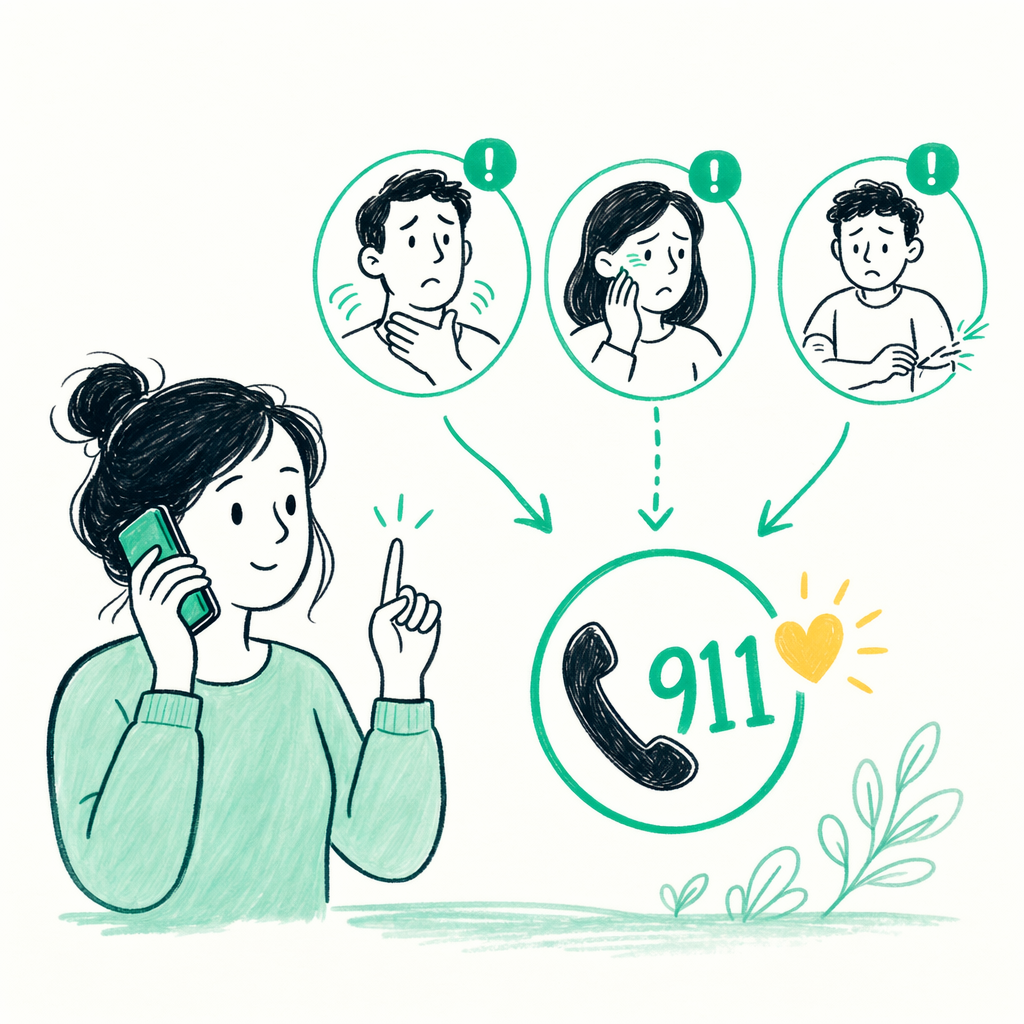
What to do right now
1. If there are any life-threatening signs—trouble breathing or swallowing, swelling spreading toward the eye or neck, or uncontrolled bleeding—call 911 or go to the ER.
2. For tooth emergencies (severe pain, knocked-out or broken teeth, swelling, abscess, bleeding), contact a licensed dentist or an urgent dental provider as soon as possible.
3. When you call, ask about “self-pay options,” “payment plans,” and whether they can share an estimate before treatment. Keep it simple and be upfront that you’re uninsured.
4. If you’re in the U.S. and language is a barrier, ask for an interpreter or translation help before you decide.
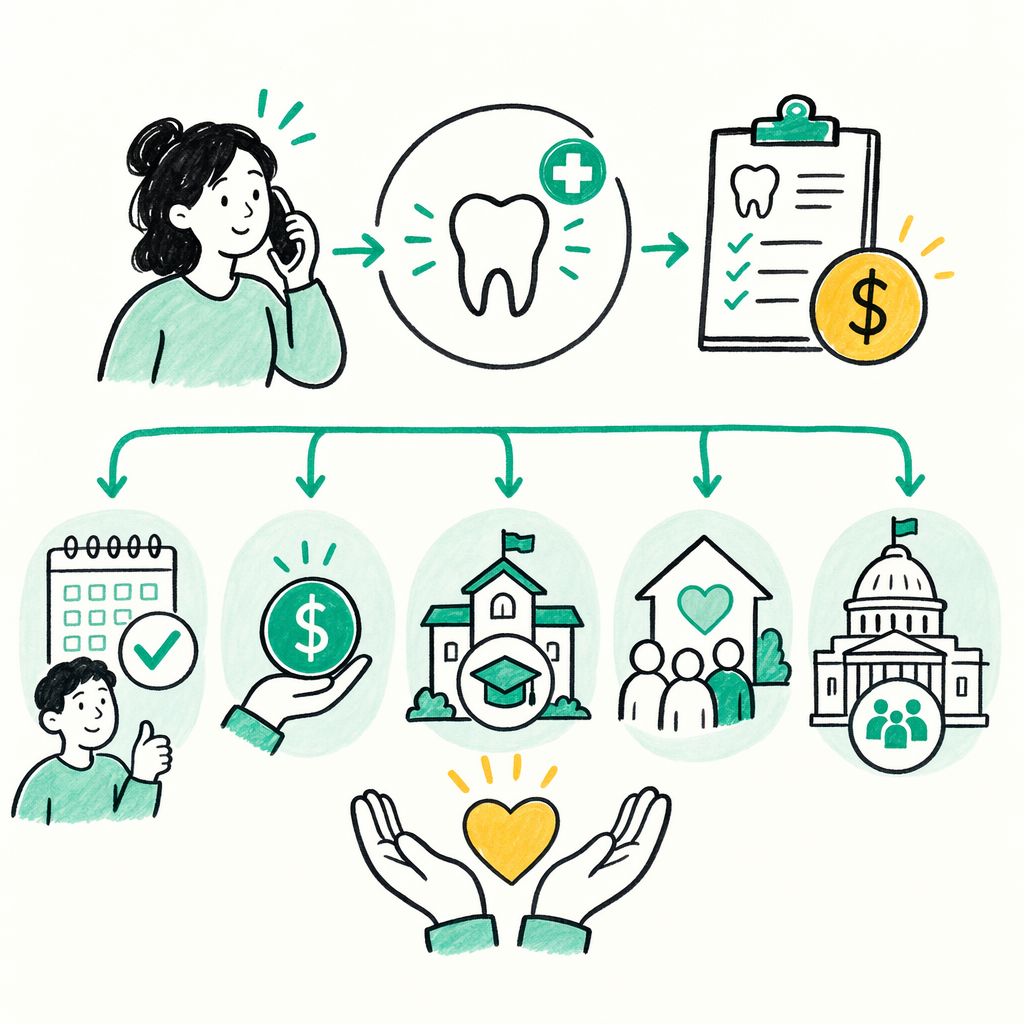
Common ways to pay without insurance
Dental offices and emergency clinics often offer several standard paths for people who are uninsured. The best option depends on what treatment is needed and what forms the provider accepts.
- Payment plan: Many clinics can break the total cost into smaller payments. Ask what the plan requires (down payment, monthly amount, and how soon payments start).
- Sliding-scale or community rates: Some nonprofit or community providers charge based on income.
- Self-pay/discount programs: Some offices have a reduced “cash/self-pay” rate. Terms vary by location and case.
- Health coverage alternatives: If you’re eligible for Medicaid or other programs in your state, you may be able to use them for certain dental needs (rules vary by state).
Ask for a clear estimate (before you agree to care)
You deserve straightforward numbers. Before any major work, ask the provider to explain the likely steps and costs. Even if prices vary by exam and X-rays, getting a range can help you plan.
Use these plain questions when you call:
- “I’m uninsured. What’s your self-pay rate or estimate range for an emergency exam and X-rays?”
- “If I need treatment tonight or tomorrow, what are the main cost drivers—exam, imaging, procedure, follow-up?”
- “Do you offer a payment plan? If yes, what are the terms?”
- “Are there lower-cost options to control pain and prevent the problem from getting worse until I can pay for definitive care?”
For general cost context, you can also check emergency dental costs and getting matched to find nearby urgent options.
Dental schools and community clinics
If you’re trying to keep costs down, dental schools and community clinics are often worth asking about. They may provide care under supervision and may be set up to serve people without insurance.
- Dental schools: Students often perform treatment with close oversight by licensed faculty. Availability can vary, and there may be scheduling steps.
- Community health centers: Some offer dental services or referrals, and may use sliding-scale fees.
- Free/low-cost programs: Some areas have short-term emergency support. Availability changes, so call and ask directly.
To stay calm while you search, focus on the basics: “Do you treat dental emergencies? Are you accepting self-pay? Do you have sliding-scale or payment plans?”
Coverage and paperwork basics (state rules vary)
Even without private insurance, you might qualify for programs through your state. Dental coverage rules can differ a lot.
- Medicaid: In many states, Medicaid coverage includes some dental benefits for eligible people, and emergency situations may be prioritized. Check your state’s eligibility rules.
- Other assistance: Some cities and counties offer targeted programs.
Because you’re likely dealing with pain, don’t wait to get help. You can ask the provider how they handle payment if you’re applying for coverage or trying to confirm eligibility.

If you’re looking for urgent help near you
SteadyTooth is a FREE service that helps connect you with a same-day or after-hours emergency dentist near you. We collect contact details only—no medical or dental information.
If you want, you can start at get matched. If you’re not sure what counts as an emergency, you can also review dental emergency signs.
You can often pay for emergency dental care without insurance using payment plans, self-pay rates, dental schools, community clinics, and state programs—start by calling a licensed emergency dentist and asking for an estimate and options.
SteadyTooth is a free matching service, not a dental provider or medical service, and does not give medical or dental advice or a diagnosis. The information here is general and educational. In a life-threatening emergency — trouble breathing or swallowing, swelling spreading toward the eye or neck, or uncontrolled bleeding — call 911 or go to the nearest emergency room. Costs and care vary by case, dentist, city, and state; always confirm details directly with a licensed dentist.
Common questions
Do I have to pay upfront for emergency dental care if I’m uninsured?
Not always. Many offices offer payment plans, and some may provide an estimate and collect a smaller amount first. Ask what the self-pay process looks like and whether they can start care while you set up payments.
Are dental schools cheaper for emergencies?
They can be, but it depends on the program, the treatment needed, and scheduling availability. Call and ask if they handle dental emergencies and what payment options they offer.
Can a clinic reduce the cost by treating only the urgent part first?
Sometimes. Providers may focus on pain control and preventing further damage as an immediate step, then schedule follow-up for definitive treatment. Ask what options are available and how they affect overall cost.
Is there Medicaid or other coverage for dental emergencies if I don’t have insurance?
Possibly, but it varies by state and eligibility. Check your state rules, and ask the provider if they can work with you while you confirm coverage.
How can SteadyTooth help if I’m worried about the bill?
SteadyTooth helps you find a nearby emergency dentist (same-day or after-hours). It’s free, and we collect contact details only—no medical information—so you can ask the dental office directly about self-pay pricing and payment plans.
Related help
Dental emergency guides
Honest, plain-language guides on handling a dental emergency, paying for urgent care without insurance, and finding help in your language.
Keep readingFind an emergency dentist near you — free
Tell us your city and how to reach you and we'll connect you, free, with an emergency dentist near you. Contact details only — no medical information needed.
Keep readingFind your symptom and what to do right now
Pick what's happening — severe tooth pain, a knocked-out or broken tooth, swelling or an abscess, bleeding — and get calm, plain-language steps plus a free way to find an emergency dentist.
Keep reading