How to stop a toothache fast
Tooth pain can spike fast. Here are safe, general steps that can reduce discomfort right now, and how to get connected with a dentist urgently if the pain is severe or worsening.
What to do right now
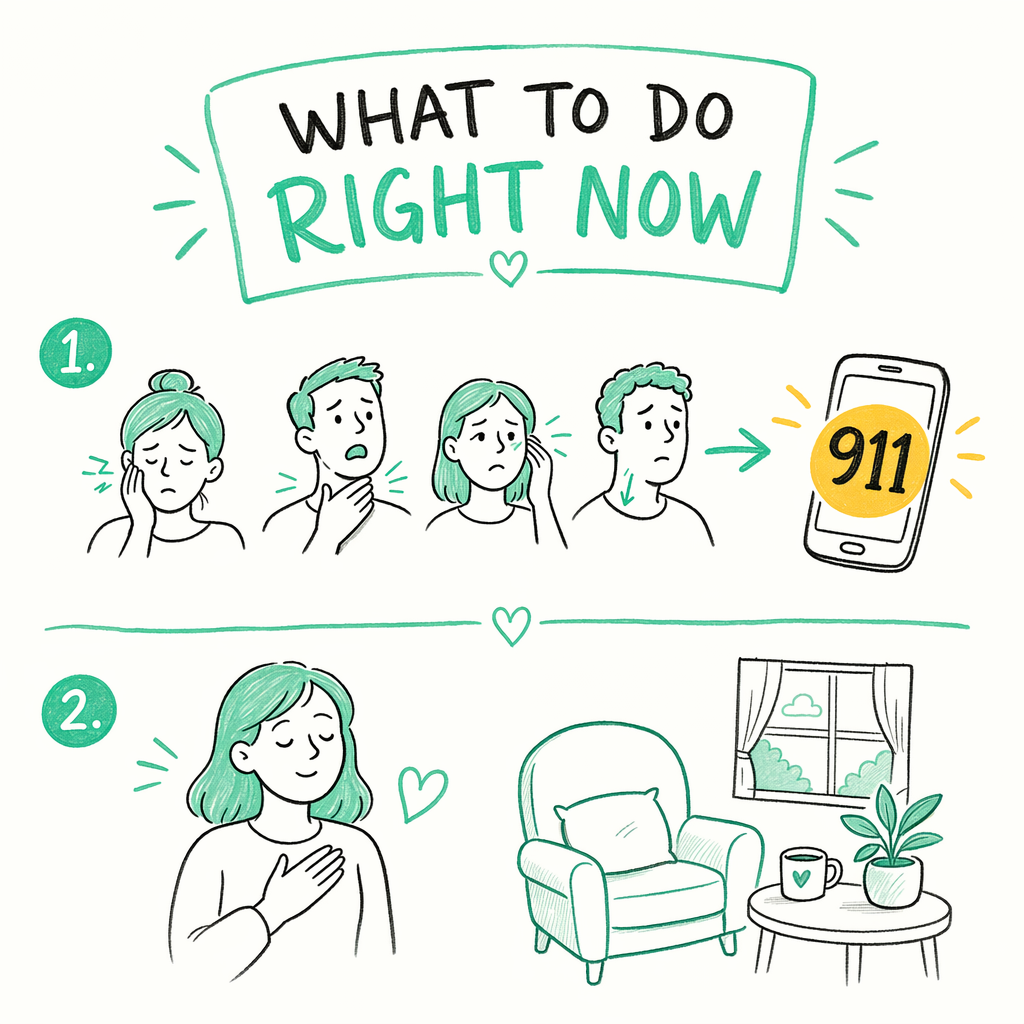
1. If you have swelling, trouble breathing or swallowing, spreading swelling toward your eye/neck, or uncontrolled bleeding, call 911 or go to the ER now.
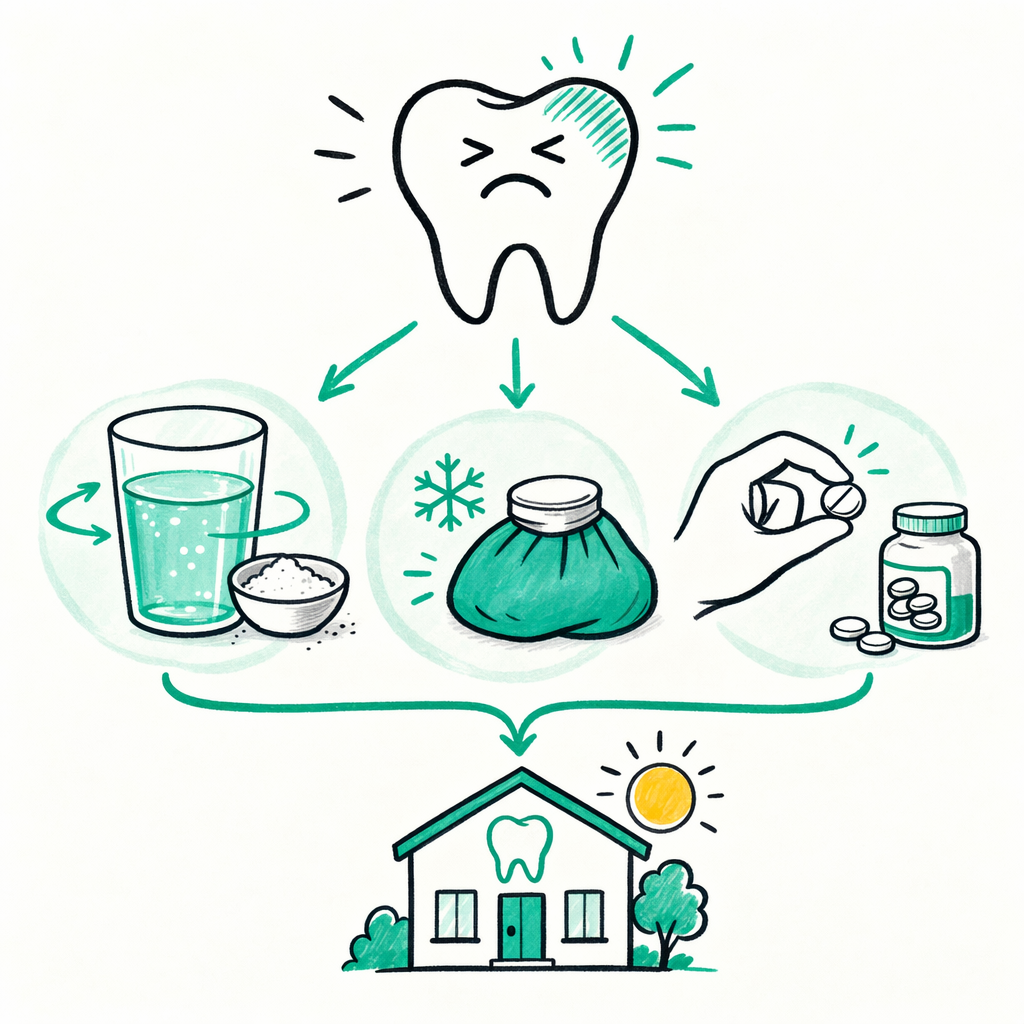
2. Rinse your mouth gently with warm salt water (swish lightly, spit it out). Repeat a few times.
3. Use a cold compress on the outside of your cheek near the sore area (10–15 minutes on, then off).
4. If a tooth is broken, avoid biting on that side. Keep the area clean with gentle brushing and flossing—without forcing anything.
5. Take over-the-counter pain relief exactly as directed on the label (follow the directions and the safety info). If you’re pregnant, have ulcers/kidney disease, take blood thinners, or have other conditions, ask a pharmacist what’s safest for you.
6. Arrange a dental visit as soon as possible, especially if pain is strong, waking you up, or lasting more than a day or two. A toothache often needs dental treatment—not just home comfort.
- If you can, call a dentist after-hours. Pain plus swelling can mean an infection that needs prompt care.
Why “fast” usually means “get seen soon”
Toothaches can come from many causes (like a cavity, cracked tooth, gum infection, or a deeper problem). Home steps may help you feel calmer and more comfortable, but they can’t fix the source.
If the pain is severe, getting worse, or you notice swelling, fever, bad taste, or pus, you should not wait. Get dental help urgently. In the meantime, follow the comfort steps above.
Safe home comfort steps (general information)
These steps are commonly used to reduce irritation and pain while you arrange care:
- Warm salt-water rinses: Helps soothe gums and keeps the area cleaner.
- Cold compress: Can reduce cheek swelling and numb the area temporarily.
- Keep your mouth clean: Gentle brushing and careful flossing can help if food is trapped.
- Avoid triggers: Skip very hot/cold foods, alcohol, and smoking/vaping. Choose soft, lukewarm foods.
- Save any broken tooth pieces: If a tooth is cracked or knocked out (even partially), keeping the tooth in clean milk or saline can matter for emergency care. Don’t force it back in.
When to treat it as an emergency
Call 911 or go to the ER if you have any of these life-threatening signs:
- Trouble breathing or swallowing
- Swelling that’s spreading toward your eye or neck
- Uncontrolled bleeding
If you don’t have those red flags, it may still be urgent dentistry. Seek after-hours dental care if you have strong pain, swelling, fever, or pain that keeps returning. For more on emergency situations, see symptoms.
How SteadyTooth can help you find an emergency dentist
SteadyTooth is a FREE service that helps you connect with a same-day or after-hours emergency dentist near you in the United States.
First, you share contact details only—no medical or dental history. Then we route you to appropriate local options so you can get help as quickly as possible.
If you’re ready, start here: get matched. For general guidance on what to do and what to say when you call, visit help. If you’re worried about cost, see dental costs for general ranges—prices vary by case, dentist, and city.
A quick checklist for the call (so you don’t have to think later)
When you call an emergency dentist, you’ll usually be asked basic details. Having this ready can speed things up:
- Your name, phone number, and city/ZIP
- How soon you need help (today / this evening)
- Your preferred language
- Whether you have swelling or fever (you can describe what you notice—avoid long stories)
SteadyTooth contact details are for routing only—no medical information is required.
To calm a toothache right now, rinse with warm salt water, use a cold compress, and take OTC pain relief as directed—then get urgent dental care.
SteadyTooth is a free matching service, not a dental provider or medical service, and does not give medical or dental advice or a diagnosis. The information here is general and educational. In a life-threatening emergency — trouble breathing or swallowing, swelling spreading toward the eye or neck, or uncontrolled bleeding — call 911 or go to the nearest emergency room. Costs and care vary by case, dentist, city, and state; always confirm details directly with a licensed dentist.
Common questions
What can I do to stop a toothache fast without making it worse?
Try warm salt-water rinses, a cold compress on your cheek, gentle cleaning, and over-the-counter pain relief exactly as directed on the label. These can help you feel better temporarily, but you still should arrange a dental visit to treat the cause.
Is it safe to use clove oil or numbing gels for tooth pain?
Some people use clove-related products or numbing gels, but safety varies by product and your situation. Because we can’t give personal medical advice, it’s best to follow the product label and check with a pharmacist or dentist if you’re unsure—especially if you have swelling or other warning signs.
When should I go to the ER instead of waiting for a dentist?
Go to the ER or call 911 if you have trouble breathing or swallowing, swelling spreading toward your eye or neck, or uncontrolled bleeding. If none of those apply but you have significant pain or swelling, you should still seek urgent dental care.
Will a toothache go away on its own?
Sometimes pain can temporarily ease, but toothaches often return when the underlying issue remains. If pain is severe, lasting, or worsening, get dental care as soon as possible.
Is SteadyTooth free and do I need to share my symptoms?
Yes—SteadyTooth is free for you. You share contact details only (no medical information needed) to help route you to an emergency dentist near you.
Related help
Quick answers for dental emergencies
Short, plain-language answers to the questions people ask in a dental emergency — tooth pain, knocked-out and broken teeth, swelling, cost, and finding care fast.
Keep readingFind your symptom and what to do right now
Pick what's happening — severe tooth pain, a knocked-out or broken tooth, swelling or an abscess, bleeding — and get calm, plain-language steps plus a free way to find an emergency dentist.
Keep readingFind an emergency dentist near you — free
Tell us your city and how to reach you and we'll connect you, free, with an emergency dentist near you. Contact details only — no medical information needed.
Keep reading