Dental emergency while traveling or new to the US
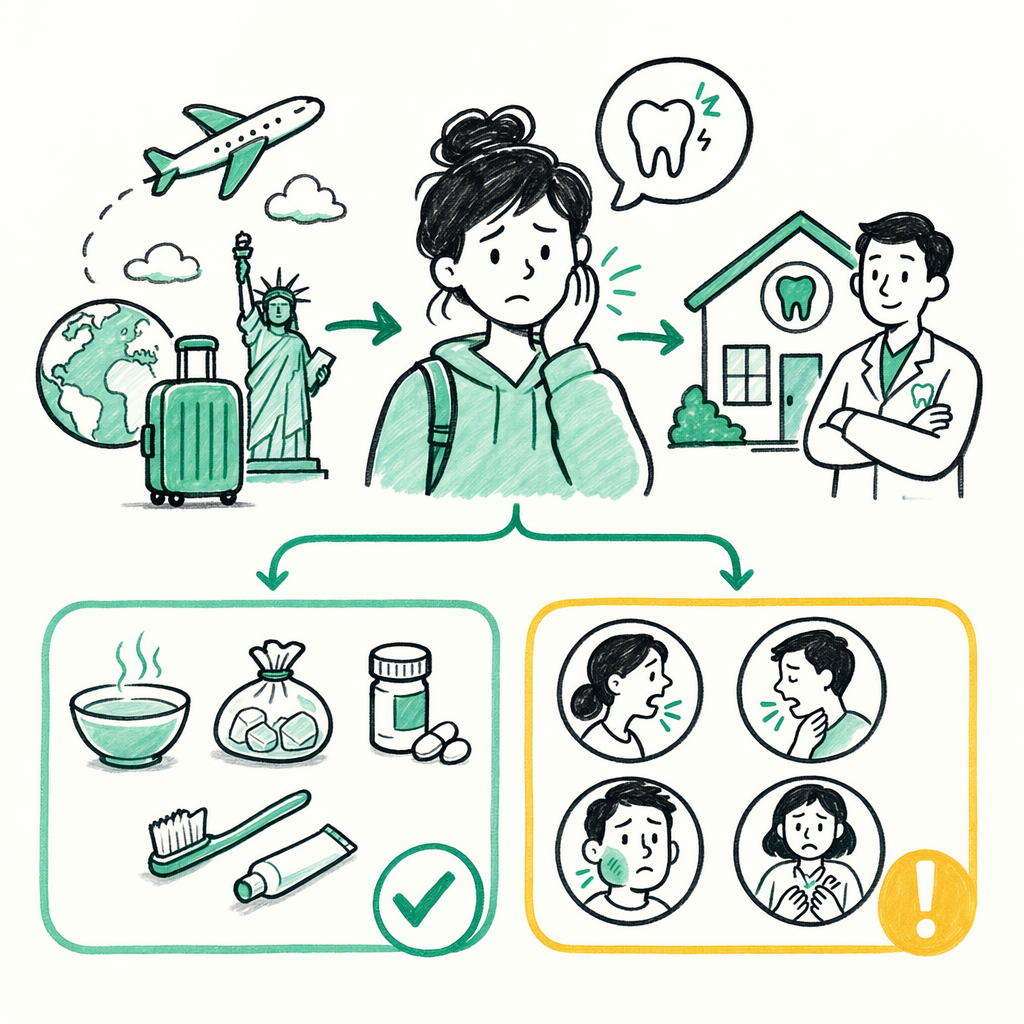
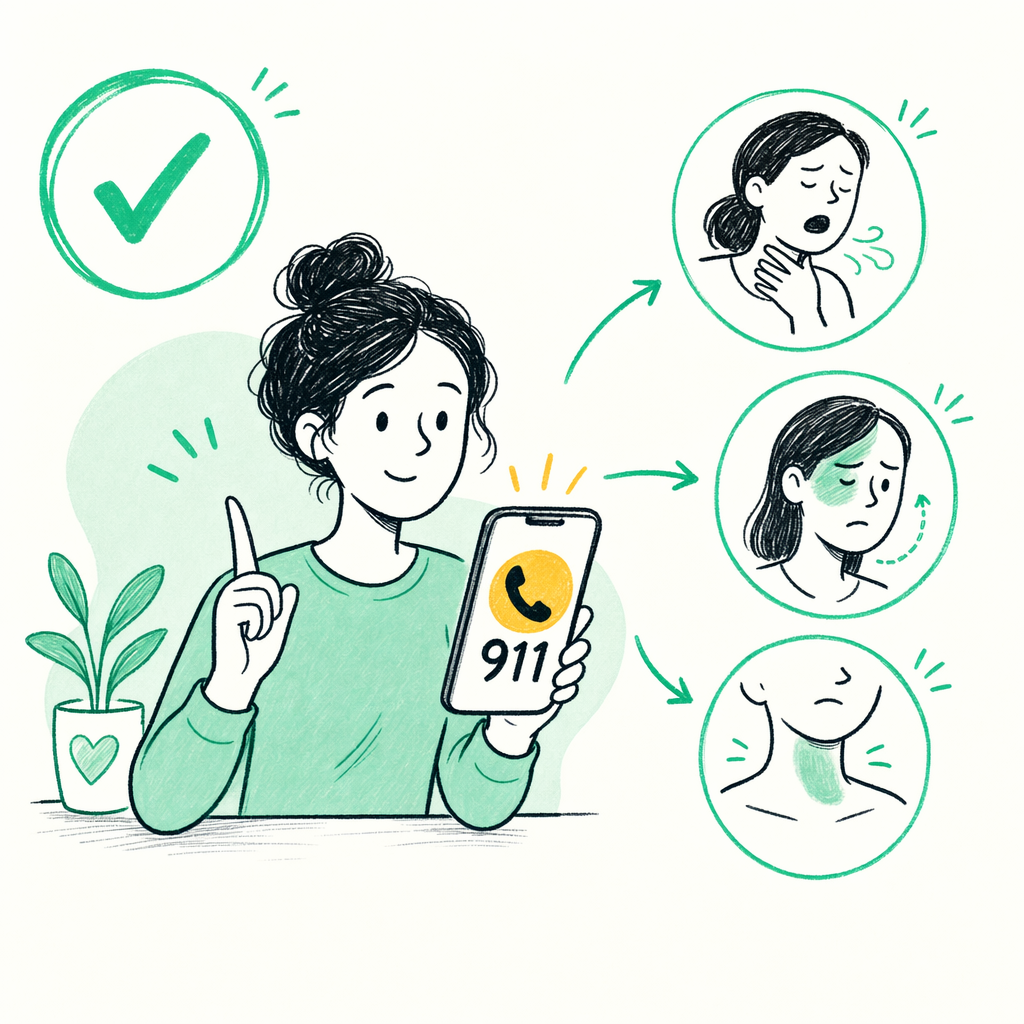
If you have a dental emergency and you are traveling or new to the US, start by finding urgent dental care near you today. If you have trouble breathing or swallowing, swelling toward the eye or neck, or bleeding that will not stop, call 911 or go to the ER now.
What to do right now
- Check for true emergency signs first. Call 911 or go to the ER if you have trouble breathing or swallowing, swelling spreading toward the eye or neck, or bleeding that will not stop.
- If it is not one of those red flags, look for an emergency dentist near you as soon as you can. If you want help, get matched using contact details only — no medical information needed.
- Do simple self-care while you arrange care. Rinse gently with warm salt water, use a cold compress on the cheek, and take over-the-counter pain relief only as directed on the label.
- If a tooth was knocked out, hold it by the crown, not the root. If possible, place it in milk and get to a dentist quickly.
- If a tooth is chipped, broken, or a filling or crown came off, save any pieces you can find and avoid chewing on that side.
- Keep your next step simple. Your goal is not to figure everything out alone at 2am. Your goal is to reach a licensed dentist or, for true emergencies, the ER.
If you do not know how US dental care works
You are not the only one. Many people in the US are unsure where to go for dental pain, swelling, or a broken tooth, especially after hours.
In general, dentists handle tooth pain, cracked teeth, knocked-out teeth, broken fillings, crowns, and many mouth infections. Hospital emergency rooms can help with life-threatening problems, severe infection concerns, or bleeding that will not stop, but they often do not provide full dental treatment.
A good first step is to find a licensed dentist who offers urgent or after-hours care in your area. If you are not sure where to begin, SteadyTooth is a free service that helps connect people in the US with emergency dental offices nearby.
What information you usually need to get connected
Keep it basic. To help connect you with an office, you usually only need contact details and location, such as your name, phone number, city or ZIP code, how soon you need help, and your preferred language.
You do not need to send your diagnosis, medical records, medicines, or a written description of your symptoms to use SteadyTooth. It is contact details only — no medical information needed.
If calling an office directly feels hard because of language or because you are unfamiliar with the area, that is exactly why a simple matching service can help.
What to expect when you contact a dentist in the US
The office may ask when you want to be seen, whether you are a new patient, and what city or ZIP you are in. They may also explain whether they have urgent openings, evening hours, or weekend availability. Availability varies by dentist, day, and city.
If you are visiting from another country or have just arrived in the US, it is okay to say that. Ask simple questions: Do you accept walk-ins? What forms of payment do you take? Do you offer language support? How soon is the next available appointment?
If cost is a worry, ask for the visit price range before you go. Dental costs in the US can vary a lot by case, dentist, and city. You can also read more on our costs guide. Coverage and payment rules can also vary by state.
Simple self-care until you are seen
These steps may help you get through the next few hours, but they are not a substitute for dental care.
Rinse gently with warm salt water. Put a cold compress on the outside of your cheek for short periods. Avoid very hot, very cold, or very sweet foods if they make the pain worse. Do not put aspirin or other medicine directly on the gums or tooth.
For a knocked-out tooth, keep it moist in milk if you can. For bleeding after a dental injury, use clean gauze or a clean cloth and apply gentle pressure. For general pain, use over-the-counter pain relief as directed on the label.
If your symptoms are getting worse, especially swelling, fever, or spreading pain, try to be seen by a licensed dentist promptly. If severe swelling affects breathing or swallowing, or spreads toward the eye or neck, go to the ER.

How SteadyTooth can help
SteadyTooth is not a dentist, clinic, or medical provider. We offer general information and help people in the US get connected with emergency dental offices near them.
Our service is free for the reader. If you need help finding a place to start, you can get matched and send contact details only — no medical information needed.
If you are not sure whether your problem counts as a dental emergency, our symptoms guide and other guides can help you understand common situations in plain language. You should still see a licensed dentist for an exam and treatment.
If you are traveling or new to the US and have a dental emergency, find a licensed dentist fast, use simple self-care for now, and go to the ER for breathing trouble, swallowing trouble, spreading swelling, or bleeding that will not stop.
SteadyTooth is a free matching service, not a dental provider or medical service, and does not give medical or dental advice or a diagnosis. The information here is general and educational. In a life-threatening emergency — trouble breathing or swallowing, swelling spreading toward the eye or neck, or uncontrolled bleeding — call 911 or go to the nearest emergency room. Costs and care vary by case, dentist, city, and state; always confirm details directly with a licensed dentist.
Common questions
I am visiting the US and have severe tooth pain. Should I go to the ER or a dentist?
Usually, severe tooth pain is handled by a licensed dentist. Go to the ER or call 911 for trouble breathing or swallowing, swelling toward the eye or neck, or bleeding that will not stop.
I do not speak much English. Can I still get help finding a dentist?
Yes. It helps to share your preferred language when asking to be connected. SteadyTooth only needs contact details, location, how soon you need help, and preferred language — no medical information needed.
What if I do not have US dental insurance yet?
You can still contact dental offices and ask about self-pay options. Prices vary by case, dentist, city, and state, so ask for a general cost range before you go if you can.
I was told hospitals do not fix teeth. Is that true?
Hospital ERs often help with pain control, bleeding, or serious infection concerns, but they may not provide full dental treatment. Dentists usually handle the actual tooth repair or dental procedure.
What if my tooth was knocked out while traveling?
Hold the tooth by the crown, not the root, and place it in milk if possible. Then try to reach a dentist quickly, because fast dental care matters.
Do I need to explain my symptoms in a form to get matched?
No. SteadyTooth asks for contact details only — no medical information needed. A licensed dentist should evaluate your condition.
Related help
Dental emergency guides
Honest, plain-language guides on handling a dental emergency, paying for urgent care without insurance, and finding help in your language.
Keep readingFind an emergency dentist near you — free
Tell us your city and how to reach you and we'll connect you, free, with an emergency dentist near you. Contact details only — no medical information needed.
Keep readingFind your symptom and what to do right now
Pick what's happening — severe tooth pain, a knocked-out or broken tooth, swelling or an abscess, bleeding — and get calm, plain-language steps plus a free way to find an emergency dentist.
Keep reading